SHLGS and Information Systems – A take on CPH Airport and its resource flow system

Evaluating the hegemony of resource flow. Information is data set in a context, quantitatve and qualitative.

Urban Metabolism and its social practice

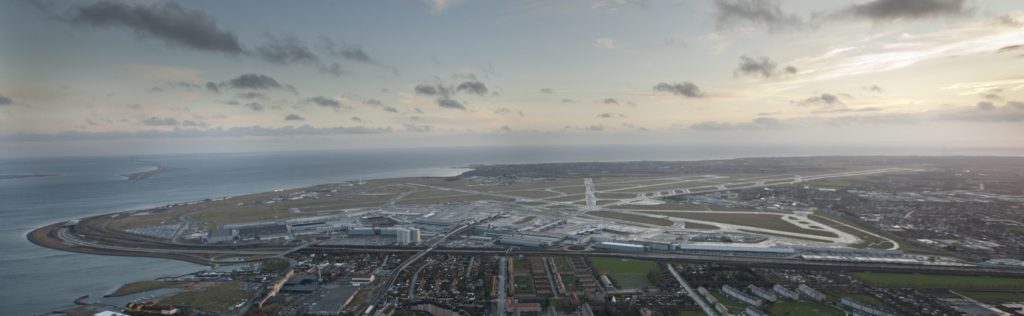
As a part of the development of Copenhagen Airports, where the proposed expansion from 26 mio. passengers to 40 mio. is making its initial steps. There has been a need for expanding its facilities regarding the resourcs and their flow.

The Airport does not only consist of passengers going through a security check and towards the gate. In fact, most of its activities takes place in the CASC – Copenhagen Airport Shopping Center-area, serving the passengers with restaurants, retail and services.

All these resources needs to be planned and SHLGS is with Copenhagen Airports aswell. We are developing a method for a seamless resource-flow and reducing the “muda” of resources and last, but not least, improving the information system that enables the airport to make day-to-day decisions.

We are re-building the resource flow system, revising its feed-back loops and balancing it so that it’s value are preserved.

This is contructued by implementing LEAN, System Theories, GIS and databases, setting up tasks for incoming procedures. All being done by researching the systems actors, elements and interconnections, social practice and revising the purposes to be able to suggest various edits.
 

About: NOI

makingfuelforthefuture
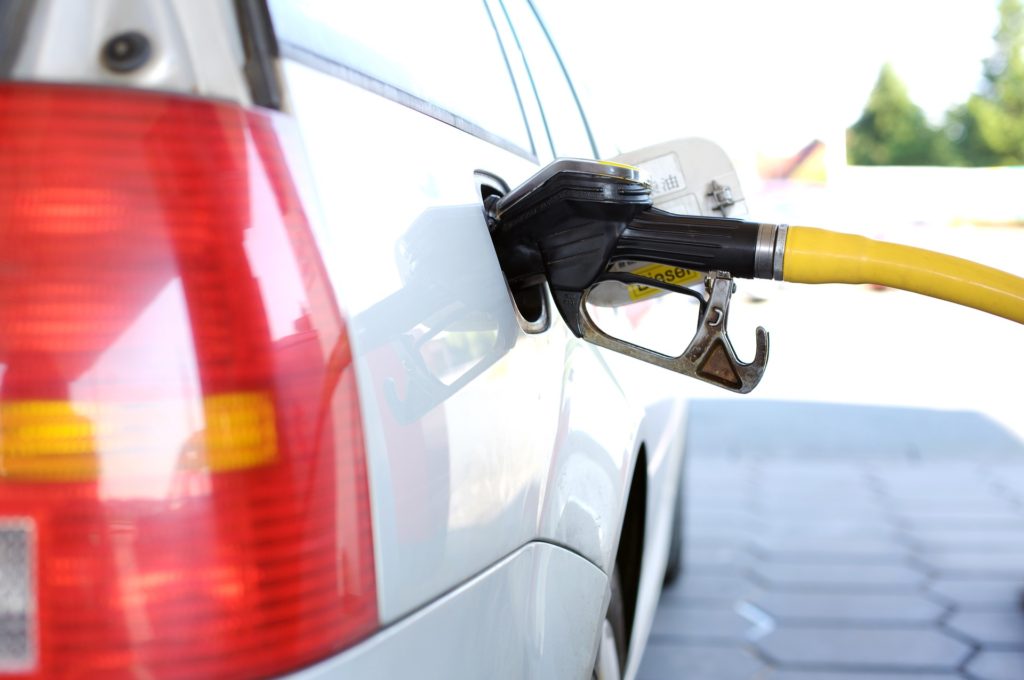
Imagine keeping the vehicular technology as it is but changing the fuel as a mean of a sustainable transition


SHLGS:Greentech:NOI

NOI is what the project is called. It is an abbreviation for “New Oil Industry” and the goal is to develop an energy-resource for the transport sector. A technological part of society that is responsible for much foundation of creation of wealth, and mayor emissions through-out the entire world.

NOI is created as an applied vision of creating a more circular economy than what is already established in society. That is done by converting a waste resource and upcycling it to have another purpose in society, without compromising the existing system where the waste is processed.

A feed-back product of the in/out-put from human society is the waste created by the industries that drive forward our existence and presence, mainly the farming industry. Many people still live of farming and creating products from the agricultural industry. Where the wish and plan for the further development of the agricultural industry is to enlarge the production, the total turnover production, the co-production off wastes are also increased. However, some of the primary challenges are what to do of this increased generation of resources. In order not to gamble the health of the natural environment there exists laws for how much nutrient must be emissioned by the agricultural sector to the fields.

In a country like Denmark, with limited space available for the nutrients from the agricultural industry to adress this production, the increasing co-production has to ind new pathways in the existing system, and thereby potentially challenging the capacity that this system is containing.

The gain from this project is therefore two-fold, assisting in taking care of the resources that the demand for increased production is inducing, and thereby also creating a possibility for the transport sector, to continue functioning without limiting the need for a radical change for a stable and reliable energy-source.

The end-product that this project targets, are a direct replacement for the fossile fuels that drives most of the transport sector. A crude oil, that can be processed and used without radically having to change the existing system, as the entry of an electric system would do to replace the role of fossile fuels in the transport sector.